
How Commercial Electricians Design and Install Power Systems for Large Facilities 

Designing and installing power systems for large facilities is no small task. Commercial electricians play a crucial role in making sure these complex buildings run smoothly and safely. From office buildings and factories to shopping centers and hospitals, the electrical systems must handle high demands while meeting strict safety codes.  
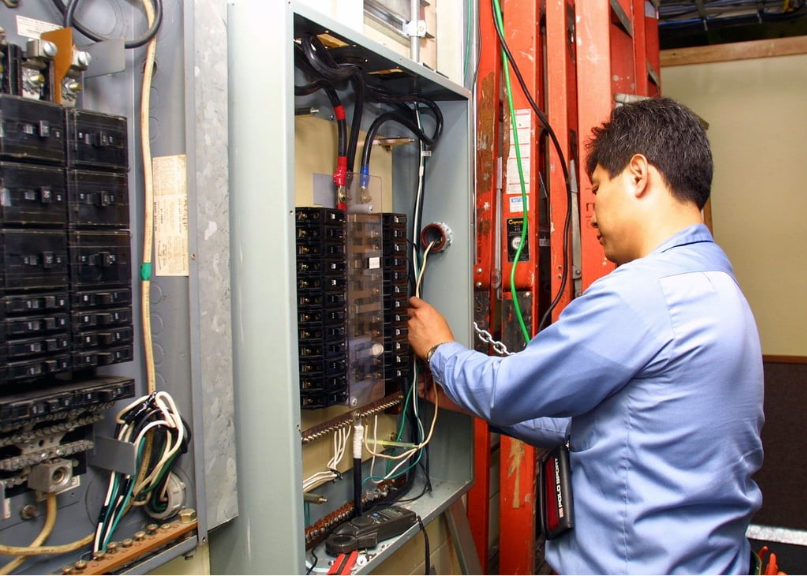
How Electricians Design Commercial Power Systems 

In this article, we’ll walk through how a commercial electrician Charleston SC approach the design and installation of power systems for large facilities, highlighting the key steps and considerations involved. 

Understanding the Facility’s Power Needs 

The first step commercial electricians take is understanding the facility’s specific power requirements. Every building has unique needs depending on its size, purpose, and the equipment it uses. For example, a manufacturing plant with heavy machinery requires more robust power distribution than a standard office building. 

Electricians work closely with engineers, architects, and facility managers to assess the electrical load, forecast future demands, and plan accordingly. This collaboration ensures the power system is designed to handle the current and anticipated needs efficiently. 

Designing a Safe and Efficient Power System 

Once the power requirements are clear, electricians begin designing the system. This process involves creating detailed electrical plans, including wiring layouts, panel locations, circuit breaker specifications, and backup power solutions. 

They also prioritize safety by ensuring the design complies with local electrical codes and standards. This step is critical because large facilities must prevent electrical hazards that could risk people’s safety or cause costly downtime. Furthermore, electricians consider energy efficiency, integrating technologies that reduce power consumption without compromising performance. 

Selecting the Right Equipment and Materials 

Choosing the proper equipment is essential for a reliable power system. Commercial electricians select transformers, circuit breakers, wiring, and control systems that match the facility’s needs and design specifications. 

Quality materials not only improve safety but also extend the lifespan of the system. For example, using high-grade copper wiring can reduce energy loss and prevent overheating. In addition, electricians often recommend surge protectors and grounding systems to safeguard sensitive equipment and maintain power stability. 

Installation and Coordination on Site 

With a solid design and equipment in hand, the installation phase begins. Commercial electricians coordinate closely with other contractors and tradespeople to ensure smooth progress. Because large facilities often have multiple systems being installed simultaneously, communication and scheduling are key. 

During installation, electricians carefully follow the design plans, running cables, mounting panels, and connecting devices. They also conduct tests at various stages to verify that the system works as intended and meets safety requirements. 

Testing, Troubleshooting, and Final Inspection 

After installation, thorough testing is crucial before the system goes live. Electricians use specialized equipment to check voltage levels, circuit integrity, and safety features like ground fault interrupters. 

If issues arise, they troubleshoot and make necessary adjustments. Finally, the system undergoes an official inspection to certify it meets all local codes and regulations. Once approved, the facility can confidently rely on its power system for everyday operations. 

Conclusion: How Electricians Design Commercial Power Systems 

Commercial electricians play a vital role in designing and installing power systems that keep large facilities running safely and efficiently. From assessing needs and designing layouts to selecting equipment and coordinating installation, their expertise ensures that electrical systems meet high standards. 
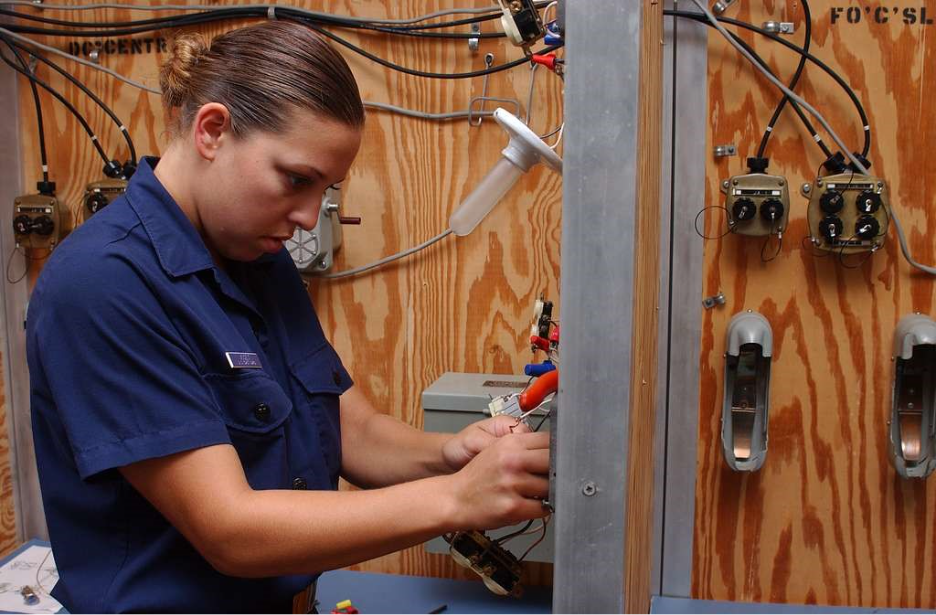
What Does a Commercial Electrician Do? A Look Inside the Trade 

When most people think of electricians, they often picture someone fixing wiring in a home. However, not all electricians work in residential settings. Commercial electricians specialize in larger, more complex systems found in businesses, retail centers, warehouses, and other commercial buildings. Their work is critical to the safe and efficient operation of modern infrastructure.  

Services a Commercial Electrician Offers 

Let’s take a closer look at what a commercial electrician Charleston SC does and how their role differs from other types of electricians. 

Understanding the Scope of Commercial Electrical Work 

Commercial electricians work on electrical systems in commercial properties, which tend to be more complex than those in homes. These buildings often require higher voltage systems, advanced lighting setups, and larger-scale circuit designs. As a result, commercial electricians must have a strong understanding of electrical theory, code compliance, and specialized equipment. 

They often handle new construction projects, renovations, and maintenance in environments like office buildings, schools, shopping malls, and hospitals. 

Installation of New Electrical Systems 

One of the core responsibilities of a commercial electrician is installing new electrical systems. This includes: 

  • Running conduit and wiring throughout large buildings 
  • Setting up panels, transformers, and circuit breakers 
  • Installing energy-efficient lighting and control systems 
  • Wiring for data, fire alarms, and security systems 

In new commercial construction, electricians typically work from blueprints and must coordinate with other contractors, such as HVAC and plumbing professionals, to ensure all systems work in harmony. 

Maintenance and Troubleshooting 

Once a commercial building is up and running, it requires ongoing electrical maintenance. This is where commercial electricians really show their value. They conduct routine inspections to catch small issues before they become major problems. If an issue does occur, they use specialized diagnostic tools to troubleshoot and resolve it quickly. 

Maintenance tasks might include: 

  • Replacing worn-out wiring or fixtures 
  • Upgrading outdated panels or breakers 
  • Checking emergency lighting and fire alarm systems 
  • Testing electrical loads and system performance 

These tasks help ensure that businesses operate without interruption and stay compliant with safety regulations. 

Compliance with Safety and Building Codes 

Commercial electrical work is held to strict standards for safety and efficiency. Electricians in this field must stay updated on national, state, and local electrical codes. They must also understand the unique requirements of commercial environments—especially those that deal with sensitive equipment or heavy machinery. 

Working in Dynamic and Demanding Environments 

Unlike residential electricians who typically work in homes, commercial electricians often find themselves in high-paced environments. They may be called to work on high-rise buildings, large offices, or bustling retail centers. The job can involve long hours, tight deadlines, and frequent collaboration with contractors and facility managers. 

Tools and Technology in Commercial Electrical Work 

Commercial electricians use a variety of tools to get the job done—some common, others highly specialized. Beyond hand tools like pliers and wire cutters, they rely on: 

  • Voltage testers and multimeters 
  • Conduit benders 
  • Cable pullers 
  • Infrared thermometers for thermal diagnostics 

Conclusion: Services a Commercial Electrician Offers 

Commercial electricians play a vital role in keeping the lights on, the machines running, and the buildings safe. Whether it’s a small business or a large industrial facility, a commercial electrician’s work helps power the operations behind the scenes. If you’re planning a commercial project, bringing in a qualified commercial electrician early can make all the difference.